
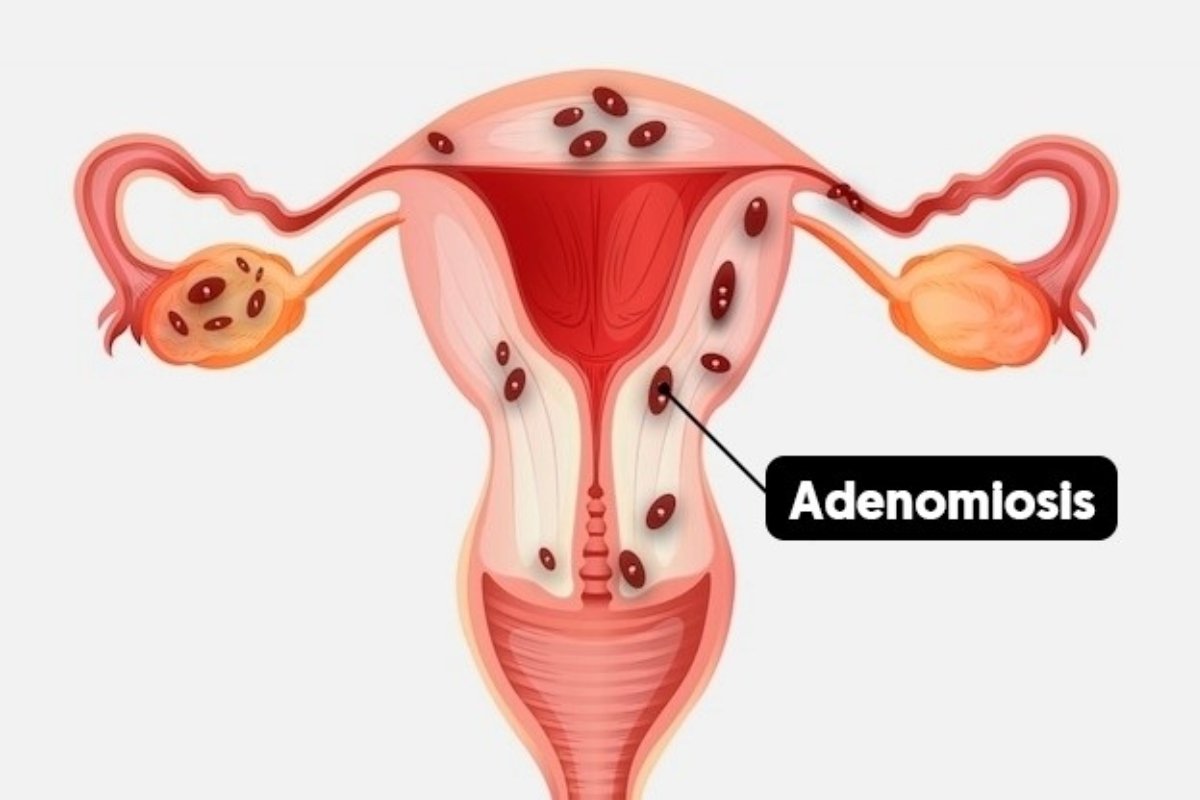
Adenomyosis Treatment in Pimple Saudagar involves managing symptoms associated with adenomyosis, a condition in which tissue similar to the lining of the uterus is present within the muscular wall of the uterus. Treatment options depend on the severity of symptoms, age, medical history, and future pregnancy plans. Management may include medications for pain and heavy menstrual bleeding, hormonal therapy, and selected procedures when other treatments are unsuitable or ineffective.
For Adenomyosis Treatment in Pimple Saudagar, a medical evaluation helps determine suitable management options based on the patient’s condition and individual needs. Treatment may focus on managing symptoms and considering reproductive health goals. In cases where symptoms are severe or other treatments have not been effective, surgical options such as hysterectomy may be considered after discussing the potential benefits, risks, and implications with a gynaecologist.
Recognizing the early signs of adenomyosis can help you seek timely medical care and prevent symptoms from affecting your daily life. If you are experiencing persistent menstrual discomfort, Adenomyosis Treatment in Pimple Saudagar offers evaluation and treatment to help manage the condition effectively.
One of the most common symptoms of adenomyosis is unusually heavy or long-lasting menstrual bleeding. This may lead to fatigue, anemia, and disruption of your daily routine if left untreated.
Women with adenomyosis often experience intense pelvic pain and cramping during their periods. The pain may worsen over time and may not improve with over-the-counter pain medications.
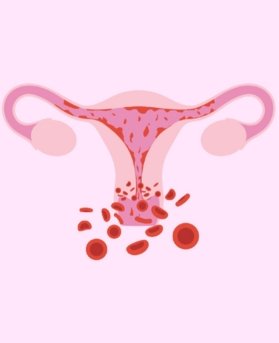

Persistent pelvic discomfort, a feeling of heaviness, or pressure in the lower abdomen can be an early sign of adenomyosis. This symptom may occur even between menstrual cycles and should be evaluated by a gynecologist.
Dr. Swati Mhaske's Jija Clinic
10+ years of experience in pregnancy care, PCOS/PCOD management, fertility care, and women's health . Consult now — appointments open Mon–Sat, 10 AM to 8 PM.
For Adenomyosis Treatment in Pimple Saudagar, care involves evaluating symptoms associated with adenomyosis and other uterine conditions. Treatment options are determined based on the patient’s medical history, symptoms, and individual needs, with management focused on symptom control and consideration of reproductive health goals.
We treat women with adenomyosis who experience heavy menstrual bleeding, severe cramps, and chronic pelvic pain. Treatment is customized based on symptom severity and individual health goals.
Adenomyosis can cause the uterus to become enlarged, leading to pelvic pressure, bloating, and discomfort. Our specialists use advanced diagnostic methods to identify the condition and recommend the most effective treatment approach.
or women planning pregnancy, adenomyosis may affect fertility or increase the risk of pregnancy complications. We offer personalized management strategies to support reproductive health while minimizing symptoms whenever possible.
Understanding the possible causes and risk factors of adenomyosis can help with early diagnosis and effective management. At Adenomyosis Treatment in Pimple Saudagar, we evaluate your symptoms and medical history to create a treatment plan tailored to your individual needs.
Although the exact cause is not fully understood, experts believe adenomyosis may develop when the tissue lining the uterus grows into the muscular wall. Hormonal changes, inflammation after childbirth, or previous uterine surgeries may also contribute to its development.
Certain factors can increase the likelihood of developing adenomyosis. Women between the ages of 35 and 50, those who have had one or more pregnancies, and individuals with a history of uterine procedures such as a cesarean section or fibroid removal may have a higher risk.
Estrogen plays an important role in the growth of adenomyosis tissue. Fluctuations in hormone levels during the reproductive years may increase symptoms, which often improve naturally after menopause.

Treatment for adenomyosis depends on the severity of symptoms, age, medical history, and future pregnancy plans. Options may include medications, hormonal therapy, selected minimally invasive procedures, or surgery, depending on the patient's condition. Dr. Swati Mhaske evaluates individual clinical needs to discuss suitable treatment options, including their potential benefits and risks.
Common symptoms include heavy menstrual bleeding, severe menstrual cramps, chronic pelvic pain, prolonged periods, and discomfort during intercourse. If these symptoms persist, consult a gynecologist for an accurate diagnosis.
Adenomyosis is diagnosed through a detailed medical history, pelvic examination, ultrasound, and in some cases, MRI scans. Early diagnosis helps in choosing the most effective treatment and preventing symptom progression.
Yes. Depending on the severity of symptoms and individual medical needs, adenomyosis may be managed with non-surgical options such as pain-relieving medications and hormonal therapy. Lifestyle measures may also help support general well-being. Dr. Swati Mhaske evaluates the patient's symptoms, medical history, and future pregnancy plans when discussing suitable treatment options.
Consider consulting a gynaecologist if you experience heavy menstrual bleeding, severe pelvic pain, painful periods, or symptoms that interfere with daily activities. Dr. Swati Mhaske can evaluate these symptoms, assess possible causes, and discuss appropriate diagnostic steps and treatment options based on your medical needs.
The cost of adenomyosis treatment depends on the severity of the condition, diagnostic tests required, the type of treatment recommended, and whether surgery is necessary. Dr. Swati Mhaske can discuss the recommended treatment approach and associated costs based on the patient's medical evaluation and individual needs.
Sunday: Holiday