
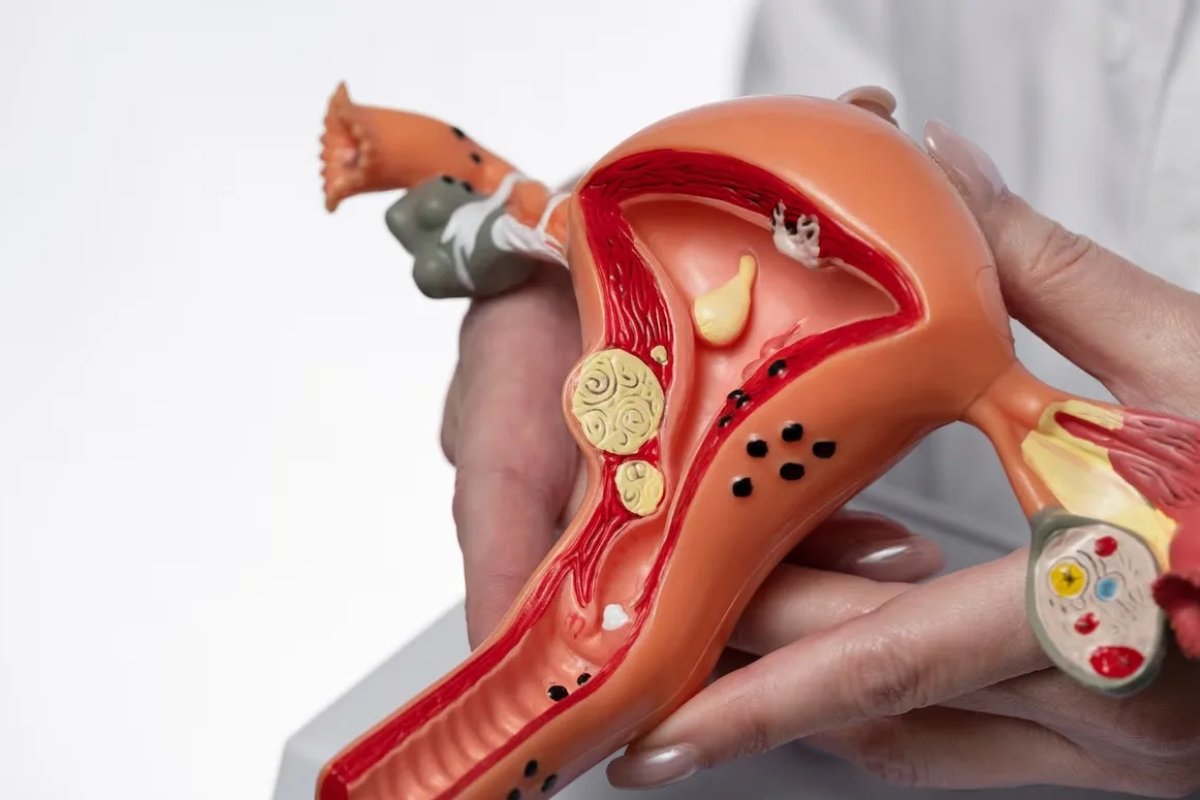
Ovarian Cysts Treatment refers to the medical management of cysts that develop on or inside the ovaries. Many ovarian cysts are harmless and resolve on their own, while others may cause symptoms such as pelvic pain, irregular menstrual cycles, bloating, or fertility concerns. The appropriate Ovarian Cysts Treatment depends on the size and type of cyst, the patient’s age, symptoms, medical history, and future pregnancy plans. Treatment options may include monitoring, medication for certain symptoms or conditions, or surgery when clinically indicated.
If you experience persistent pelvic pain or have been diagnosed with ovarian cysts, medical evaluation can help determine the cause and appropriate management. Dr. Swati Mhaske provides evaluation and treatment for ovarian cysts based on individual clinical findings. Depending on the type and characteristics of the cyst, management may involve monitoring, medication, or minimally invasive surgery when appropriate. Treatment planning considers symptom management, ovarian health, reproductive goals, and the need for follow-up care.
The right Ovarian Cysts Treatment depends on the type of ovarian cyst, its size, symptoms, and whether it affects fertility. A proper diagnosis helps your gynecologist choose the most effective treatment plan while protecting your reproductive health.
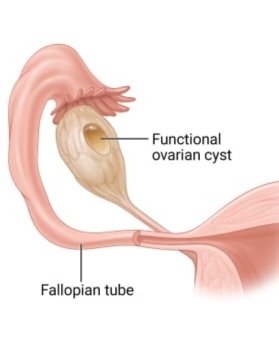
These are the most common cysts and usually develop during the menstrual cycle. Most disappear on their own, while Ovarian Cysts Treatment may include regular monitoring or medication if symptoms persist.
Made up of different tissue types such as hair, skin, or fat, these cysts usually require surgical removal if they become large, painful, or continue to grow.
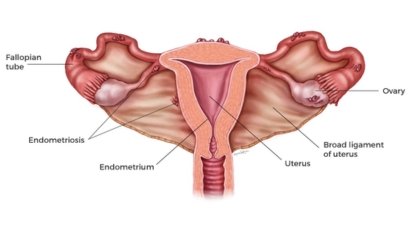
Also called chocolate cysts, these are linked to endometriosis and can affect fertility. Ovarian Cysts Treatment may involve medication to control symptoms or minimally invasive surgery to remove the cyst and preserve ovarian function.
Dr. Swati Mhaske's Jija Clinic
10+ years of experience in pregnancy care, PCOS/PCOD management, fertility care, and women's health. Consult now — appointments open Mon–Sat, 10 AM to 8 PM.
Understanding the underlying cause is essential for choosing the right Ovarian Cysts Treatment. Identifying why ovarian cysts develop helps doctors recommend the most effective treatment while reducing the risk of future complications.
Changes in hormone levels can interfere with normal ovulation, increasing the likelihood of functional ovarian cysts. Hormonal therapy may be recommended as part of Ovarian Cysts Treatment.
Women with endometriosis may develop endometriomas, also known as chocolate cysts. These cysts can cause pelvic pain, painful periods, and fertility issues, often requiring specialized treatment.
In some pregnancies, a cyst forms early to support the developing pregnancy until the placenta takes over. Most pregnancy-related cysts resolve naturally, but larger or persistent cysts may require medical monitoring or treatment.
The best Ovarian Cysts Treatment depends on the type, size, symptoms, and overall health of the patient. After a thorough evaluation, your gynecologist will recommend a treatment plan that relieves symptoms while preserving ovarian function whenever possible.
Small, simple cysts that do not cause symptoms are often monitored with regular ultrasound scans. Many functional cysts disappear naturally without requiring active treatment.
Hormonal medications, such as birth control pills, may be prescribed to help regulate the menstrual cycle and reduce the formation of new ovarian cysts. Pain-relieving medicines may also be recommended to manage discomfort.
If a cyst is large, persistent, painful, or appears suspicious, minimally invasive laparoscopic surgery may be advised. This procedure removes the cyst while preserving healthy ovarian tissue whenever possible, allowing for a faster recovery.
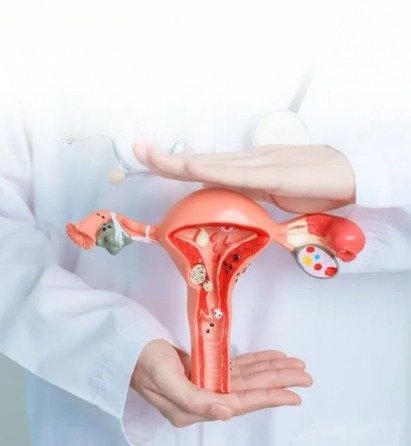
You should seek Ovarian Cysts Treatment if you experience persistent pelvic pain, bloating, irregular periods, pain during intercourse, or if an ovarian cyst continues to grow. Early diagnosis helps prevent complications and ensures timely care.
Yes. Many functional ovarian cysts disappear naturally within a few menstrual cycles. However, larger, persistent, or symptomatic cysts may require medical treatment or surgery after evaluation by a gynecologist.
No. Surgery is recommended only when the cyst is large, causes severe symptoms, does not resolve with observation, or appears suspicious. Many women can be successfully managed with monitoring or medication alone.
The cost of Ovarian Cysts Treatment depends on the type and size of the cyst, diagnostic tests required, medications, and whether surgery is necessary. Dr. Swati Mhaske can discuss suitable treatment options and the associated costs following a medical evaluation.
EMI availability for Ovarian Cysts Treatment depends on the hospital's payment policies and the financing options offered by its associated providers. Patients can check with the relevant hospital or payment provider for details about eligibility, available plans, and payment terms.
Sunday: Holiday