

Dysmenorrhea is the medical term for painful menstrual cramps that occur before or during a menstrual period. The pain may range from mild discomfort to severe cramps that interfere with daily activities. Some women may also experience nausea, back pain, fatigue, headaches, or diarrhoea along with menstrual cramps. Medical evaluation is important, especially if the pain is severe, persistent, or worsens over time, as it may be associated with an underlying gynaecological condition.
For information about Dysmenorrhea Treatment in Pimple Saudagar, Dr. Swati Mhaske evaluates painful periods and related symptoms to help identify possible underlying causes. Depending on the findings, treatment options may include medication, hormonal therapy, or further investigations when indicated. Management is based on the patient’s symptoms, medical history, and individual clinical needs.
Understanding the cause of painful periods is the first step toward effective treatment. A Dysmenorrhea Specialist in Pimple Saudagar can identify the underlying reason for menstrual pain and recommend the most suitable treatment plan.
During menstruation, the body produces prostaglandins, hormone-like substances that trigger uterine contractions. High prostaglandin levels can cause stronger cramps and more intense menstrual pain.
This condition occurs when tissue similar to the uterine lining grows outside the uterus. It can lead to severe menstrual cramps, chronic pelvic pain, and discomfort during periods.

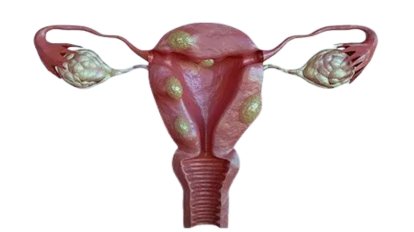
Non-cancerous fibroids or the growth of uterine lining into the muscle wall (adenomyosis) can increase menstrual pain and cause heavy bleeding, often requiring specialized gynecological care.
Dr. Swati Mhaske's Jija Clinic
10+ years of experience in pregnancy care, PCOS/PCOD management, fertility care, and women's health. Consult now — appointments open Mon–Sat, 10 AM to 8 PM.
The appropriate treatment for dysmenorrhea depends on the severity of symptoms and the underlying cause of menstrual pain. Dr. Swati Mhaske in Pimple Saudagar evaluates symptoms and medical history to discuss suitable treatment options based on individual clinical needs.
Pain-relieving medicines and anti-inflammatory drugs help reduce menstrual cramps by lowering prostaglandin levels. Hormonal medications may also be prescribed to regulate periods and decrease pain.
Birth control pills, hormonal injections, or intrauterine devices (IUDs) can help control hormone fluctuations, making menstrual periods lighter and less painful for many women.
If dysmenorrhea is caused by conditions such as endometriosis, fibroids, or adenomyosis, targeted treatment may include minimally invasive surgery or other specialized procedures to address the root cause and provide long-term relief.
Simple lifestyle changes may help manage menstrual cramps and support menstrual health. Dr. Swati Mhaske in Pimple Saudagar can discuss lifestyle measures and appropriate medical treatment options based on the severity of symptoms and individual clinical needs.
Light aerobic activities such as walking, cycling, or yoga improve blood circulation and stimulate the release of endorphins, which can naturally reduce menstrual pain and muscle cramps.
Eating a balanced diet rich in fruits, vegetables, whole grains, and omega-3 fatty acids while staying well hydrated may help reduce inflammation and ease menstrual discomfort.
Applying a heating pad to the lower abdomen can relax uterine muscles and relieve cramps. Stress-reducing practices such as meditation, deep breathing, and adequate sleep may also lessen the intensity of menstrual pain.

Consider consulting a gynaecologist if menstrual pain is severe, lasts for several days, interferes with daily activities, or occurs with heavy bleeding, fever, or other unusual symptoms. Medical evaluation can help identify possible underlying causes and determine appropriate treatment options.
Yes. Most cases of dysmenorrhea can be managed with medications, hormonal therapy, lifestyle modifications, and treatment of the underlying cause. Surgery is usually considered only when conditions such as endometriosis or fibroids are responsible for persistent pain.
Primary dysmenorrhea does not usually affect fertility. However, if menstrual pain is caused by conditions such as endometriosis or pelvic inflammatory disease, fertility may be affected. Early diagnosis and treatment can help protect reproductive health.
The cost of dysmenorrhea treatment depends on the cause of the pain, required investigations, medications, and whether any procedure is needed. Dr. Swati Mhaske provides a treatment plan along with a clear estimate after evaluation.
Yes. EMI facilities may be available for eligible patients undergoing advanced diagnostic procedures or surgical treatment. You can contact Dr. Swati Mhaske's clinic to know more about the available payment and financing options.
Sunday: Holiday