
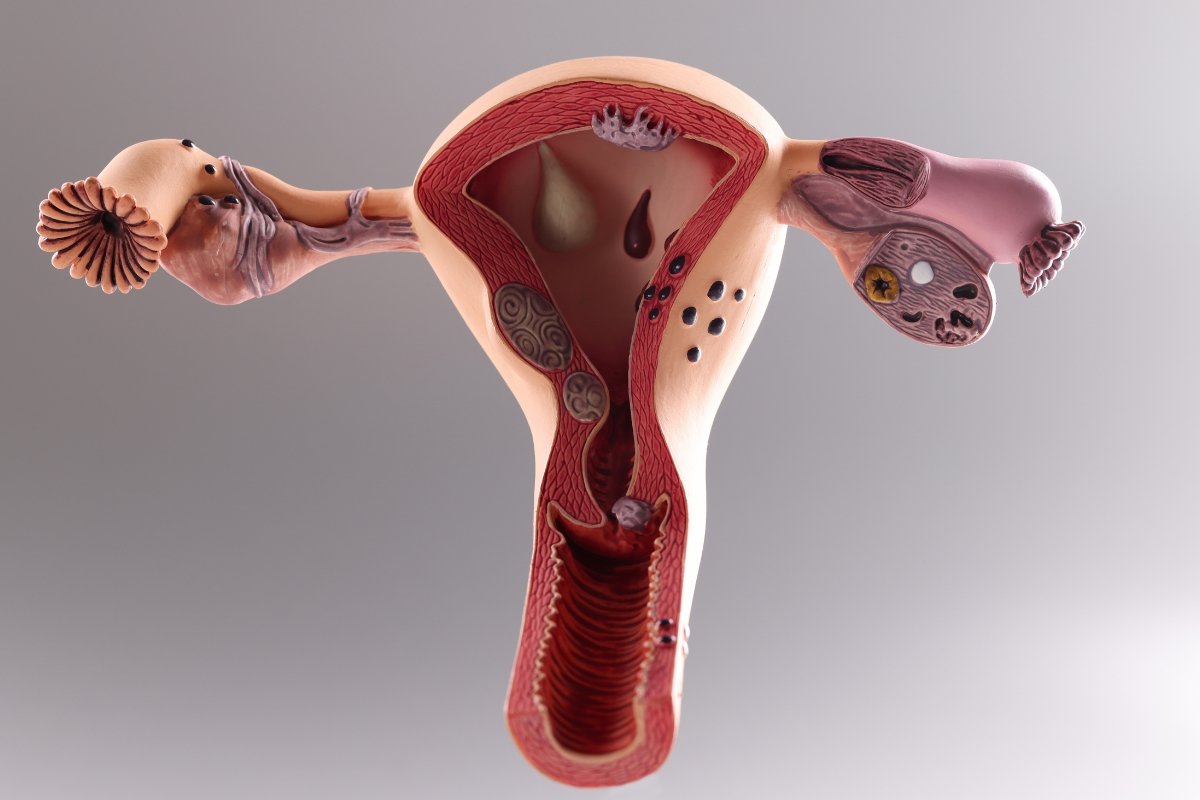
Uterine fibroids are non-cancerous growths that develop in or around the muscular wall of the uterus. They can vary in size, number, and location, and while many women may not experience any symptoms, others may have heavy menstrual bleeding, pelvic pain, frequent urination, or fertility concerns. Early diagnosis is important to determine the most appropriate treatment and prevent complications.
If you are looking for a Uterine Fibroids Specialist in Pimple Saudagar, Dr. Swati Mhaske offers comprehensive evaluation and personalized treatment based on your symptoms, age, and reproductive goals. Using advanced diagnostic techniques and evidence-based treatment options, she focuses on relieving symptoms, preserving uterine health, and improving your overall quality of life.
Uterine fibroids are classified according to where they develop within or around the uterus. Understanding the type of fibroid helps a Uterine Fibroids Specialist in Pimple Saudagar recommend the most appropriate treatment based on symptoms and reproductive goals.
These fibroids grow within the muscular wall of the uterus and are the most common type. They may cause heavy menstrual bleeding, pelvic pain, and enlargement of the uterus.
Located just beneath the inner lining of the uterus, these fibroids can extend into the uterine cavity. They are often associated with heavy periods, prolonged bleeding, and fertility problems.
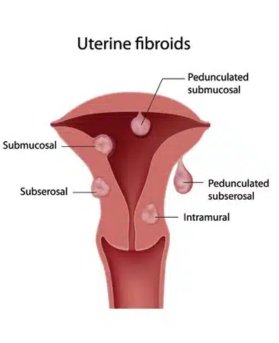
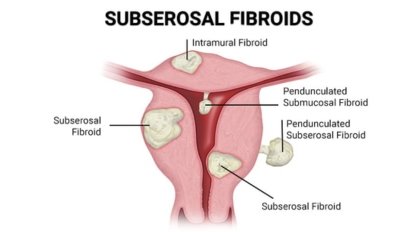
These fibroids develop on the outer surface of the uterus and may grow outward into the pelvis. Large subserosal fibroids can press on nearby organs, leading to pelvic pressure, constipation, or frequent urination.
Dr. Swati Mhaske's Jija Clinic
10+ years of compassionate care for pregnancy, PCOS/PCOD, fertility & women's health. Consult now — appointments open Mon–Sat, 10 AM to 8 PM.
The exact cause of uterine fibroids is not fully understood, but several factors can increase the likelihood of developing them. A Uterine Fibroids Specialist in Pimple Saudagar can identify these risk factors and recommend the most appropriate treatment plan.
Estrogen and progesterone stimulate the growth of the uterine lining and may also promote the development and enlargement of fibroids during the reproductive years.
Women with a mother, sister, or close relative who has had uterine fibroids are more likely to develop them, suggesting a strong genetic influence.
Being overweight, consuming a diet high in red meat, and having a sedentary lifestyle may increase the risk of uterine fibroids. Maintaining a healthy weight and balanced diet may help reduce the risk.
The treatment for uterine fibroids depends on their size, location, symptoms, and your future pregnancy plans. A Uterine Fibroids Specialist in Pimple Saudagar can recommend advanced treatment options that provide effective symptom relief while preserving uterine health whenever possible.
Hormonal medicines and other prescription medications can help reduce heavy menstrual bleeding, relieve pelvic pain, and in some cases temporarily shrink fibroids before further treatment.
This minimally invasive procedure removes fibroids while preserving the uterus. It is an excellent option for women who wish to maintain their fertility and offers faster recovery with smaller incisions.
For women with large, multiple, or recurrent fibroids who have completed their family, hysterectomy may be recommended. This surgical procedure removes the uterus and provides a permanent solution for fibroid-related symptoms.

You should consult a Uterine Fibroids Specialist in Pimple Saudagar if you experience heavy menstrual bleeding, persistent pelvic pain, frequent urination, abdominal swelling, or difficulty conceiving. Early evaluation helps prevent complications and ensures timely treatment.
Yes. Many women can manage fibroids with medications, hormonal therapy, or regular monitoring, depending on the size of the fibroids and the severity of symptoms. Surgery is recommended only when conservative treatments are not effective or the fibroids are causing significant problems.
No. Many women with fibroids have healthy pregnancies. However, some fibroids may interfere with fertility or increase the risk of pregnancy-related complications. A specialist can assess your condition and recommend the best treatment before planning a pregnancy.
The cost of treatment depends on factors such as the number and size of fibroids, diagnostic tests, medications, and whether surgery is required. Dr. Swati Mhaske provides a personalized treatment plan along with a transparent cost estimate after a detailed evaluation.
Yes. EMI facilities may be available for eligible patients undergoing advanced procedures such as laparoscopic myomectomy or hysterectomy. You can contact Dr. Swati Mhaske's clinic to know more about the available financing and payment options.
Sunday: Holiday