
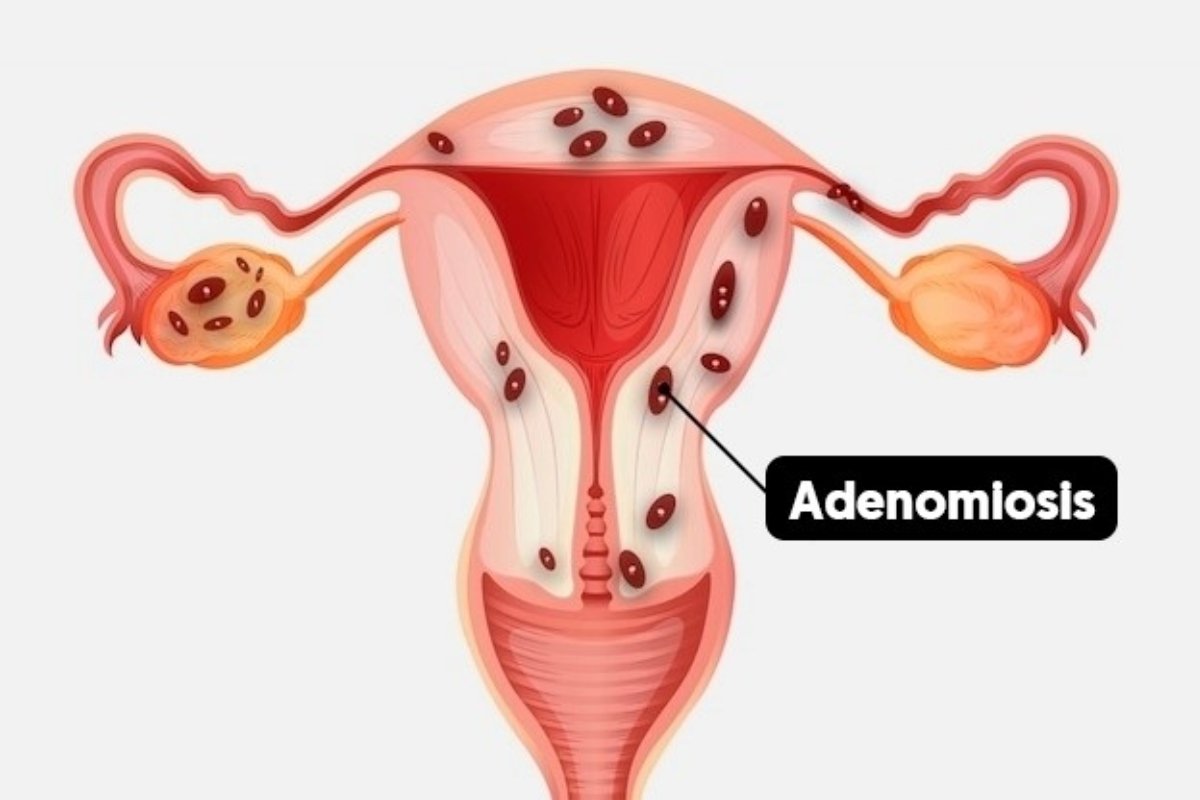
Adenomyosis Treatment in Pimple Saudagar focuses on relieving symptoms caused by adenomyosis, a condition in which the inner lining of the uterus grows into the muscular wall of the uterus. Treatment is personalized based on the severity of symptoms, age, and future pregnancy plans. Common treatment options include medications to manage pain and heavy menstrual bleeding, hormone therapy to reduce symptoms, and minimally invasive procedures when conservative treatments are not effective.
At Adenomyosis Treatment in Pimple Saudagar, patients receive a thorough evaluation to determine the most suitable treatment approach. The goal is to reduce discomfort, improve quality of life, and preserve reproductive health whenever possible. In severe cases where symptoms significantly affect daily life, surgical options such as hysterectomy may be recommended after careful consultation with a gynecologist.
Recognizing the early signs of adenomyosis can help you seek timely medical care and prevent symptoms from affecting your daily life. If you are experiencing persistent menstrual discomfort, Adenomyosis Treatment in Pimple Saudagar offers personalized evaluation and treatment to help manage the condition effectively.
POne of the most common symptoms of adenomyosis is unusually heavy or long-lasting menstrual bleeding. This may lead to fatigue, anemia, and disruption of your daily routine if left untreated.
Women with adenomyosis often experience intense pelvic pain and cramping during their periods. The pain may worsen over time and may not improve with over-the-counter pain medications.
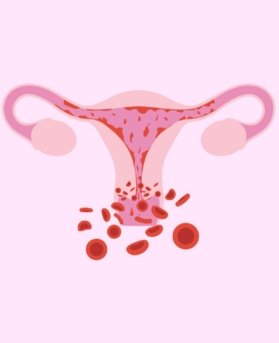

Persistent pelvic discomfort, a feeling of heaviness, or pressure in the lower abdomen can be an early sign of adenomyosis. This symptom may occur even between menstrual cycles and should be evaluated by a gynecologist.
Dr. Swati Mhaske's Jija Clinic
10+ years of compassionate care for pregnancy, PCOS/PCOD, fertility & women's health. Consult now — appointments open Mon–Sat, 10 AM to 8 PM.
At Adenomyosis Treatment in Pimple Saudagar, we provide comprehensive care for women experiencing symptoms related to adenomyosis and other uterine conditions. Our treatment plans are tailored to relieve discomfort, improve reproductive health, and enhance overall well-being.
We treat women with adenomyosis who experience heavy menstrual bleeding, severe cramps, and chronic pelvic pain. Treatment is customized based on symptom severity and individual health goals.
Adenomyosis can cause the uterus to become enlarged, leading to pelvic pressure, bloating, and discomfort. Our specialists use advanced diagnostic methods to identify the condition and recommend the most effective treatment approach.
or women planning pregnancy, adenomyosis may affect fertility or increase the risk of pregnancy complications. We offer personalized management strategies to support reproductive health while minimizing symptoms whenever possible.
Understanding the possible causes and risk factors of adenomyosis can help with early diagnosis and effective management. At Adenomyosis Treatment in Pimple Saudagar, we evaluate your symptoms and medical history to create a treatment plan tailored to your individual needs.
Although the exact cause is not fully understood, experts believe adenomyosis may develop when the tissue lining the uterus grows into the muscular wall. Hormonal changes, inflammation after childbirth, or previous uterine surgeries may also contribute to its development.
Certain factors can increase the likelihood of developing adenomyosis. Women between the ages of 35 and 50, those who have had one or more pregnancies, and individuals with a history of uterine procedures such as a cesarean section or fibroid removal may have a higher risk.
Estrogen plays an important role in the growth of adenomyosis tissue. Fluctuations in hormone levels during the reproductive years may increase symptoms, which often improve naturally after menopause.

The best treatment depends on the severity of your symptoms, age, and future pregnancy plans. Options may include medications, hormone therapy, minimally invasive procedures, or surgery. Dr. Swati Mhaske provides personalized treatment plans based on each patient's condition.
Common symptoms include heavy menstrual bleeding, severe menstrual cramps, chronic pelvic pain, prolonged periods, and discomfort during intercourse. If these symptoms persist, consult a gynecologist for an accurate diagnosis.
Adenomyosis is diagnosed through a detailed medical history, pelvic examination, ultrasound, and in some cases, MRI scans. Early diagnosis helps in choosing the most effective treatment and preventing symptom progression.
Yes. Many women benefit from non-surgical treatments such as pain-relieving medications, hormonal therapy, and lifestyle modifications. Dr. Swati Mhaske recommends the most suitable treatment based on the patient's symptoms and reproductive goals.
You should seek medical advice if you experience heavy menstrual bleeding, severe pelvic pain, painful periods, or symptoms that interfere with your daily activities. Early consultation with Dr. Swati Mhaske can help manage the condition effectively and improve your quality of life.
severity of the condition, diagnostic tests required, the type of treatment recommended, and whether surgical intervention is necessary. Dr. Swati Mhaske provides a detailed evaluation and a transparent treatment plan, ensuring patients understand the expected costs before starting treatment.
Sunday: Holiday