
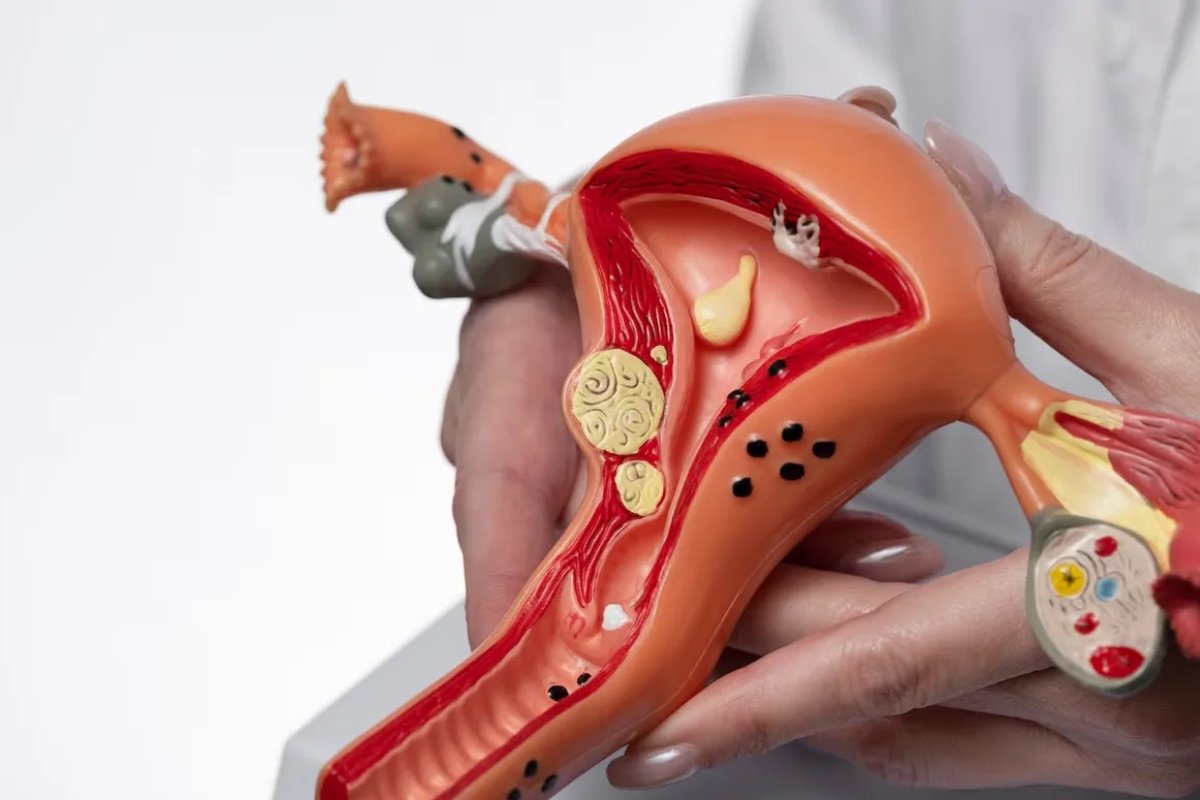
Ovarian Cysts Treatment refers to the medical care provided to manage cysts that develop on or inside the ovaries. While many ovarian cysts are harmless and disappear naturally, some may cause symptoms such as pelvic pain, irregular menstrual cycles, bloating, or difficulty conceiving. The right Ovarian Cysts Treatment depends on the size, type, and severity of the cyst, as well as the patient’s age, symptoms, and future pregnancy plans. Treatment options may include observation, medications, or minimally invasive surgery when required.
If you are experiencing persistent pelvic pain or have been diagnosed with ovarian cysts, seeking timely medical advice is important. Dr. Swati Mhaske offers personalized Ovarian Cysts Treatment after a detailed evaluation using advanced diagnostic methods. She focuses on selecting the most suitable treatment approach to relieve symptoms, preserve ovarian health, and support long-term reproductive well-being through compassionate, evidence-based care.
The right Ovarian Cysts Treatment depends on the type of ovarian cyst, its size, symptoms, and whether it affects fertility. A proper diagnosis helps your gynecologist choose the most effective treatment plan while protecting your reproductive health.
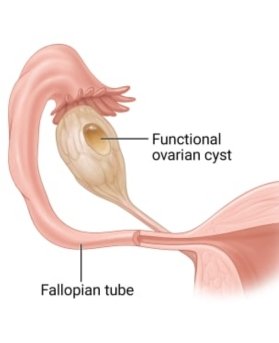
These are the most common cysts and usually develop during the menstrual cycle. Most disappear on their own, while Ovarian Cysts Treatment may include regular monitoring or medication if symptoms persist.
Made up of different tissue types such as hair, skin, or fat, these cysts usually require surgical removal if they become large, painful, or continue to grow.
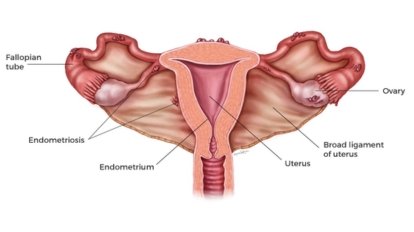
Also called chocolate cysts, these are linked to endometriosis and can affect fertility. Ovarian Cysts Treatment may involve medication to control symptoms or minimally invasive surgery to remove the cyst and preserve ovarian function.
Dr. Swati Mhaske's Jija Clinic
10+ years of compassionate care for pregnancy, PCOS/PCOD, fertility & women's health. Consult now — appointments open Mon–Sat, 10 AM to 8 PM.
Understanding the underlying cause is essential for choosing the right Ovarian Cysts Treatment. Identifying why ovarian cysts develop helps doctors recommend the most effective treatment while reducing the risk of future complications.
Changes in hormone levels can interfere with normal ovulation, increasing the likelihood of functional ovarian cysts. Hormonal therapy may be recommended as part of Ovarian Cysts Treatment.
Women with endometriosis may develop endometriomas, also known as chocolate cysts. These cysts can cause pelvic pain, painful periods, and fertility issues, often requiring specialized treatment.
In some pregnancies, a cyst forms early to support the developing pregnancy until the placenta takes over. Most pregnancy-related cysts resolve naturally, but larger or persistent cysts may require medical monitoring or treatment.
The best Ovarian Cysts Treatment depends on the type, size, symptoms, and overall health of the patient. After a thorough evaluation, your gynecologist will recommend a treatment plan that relieves symptoms while preserving ovarian function whenever possible.
Small, simple cysts that do not cause symptoms are often monitored with regular ultrasound scans. Many functional cysts disappear naturally without requiring active treatment.
Hormonal medications, such as birth control pills, may be prescribed to help regulate the menstrual cycle and reduce the formation of new ovarian cysts. Pain-relieving medicines may also be recommended to manage discomfort.
If a cyst is large, persistent, painful, or appears suspicious, minimally invasive laparoscopic surgery may be advised. This procedure removes the cyst while preserving healthy ovarian tissue whenever possible, allowing for a faster recovery.
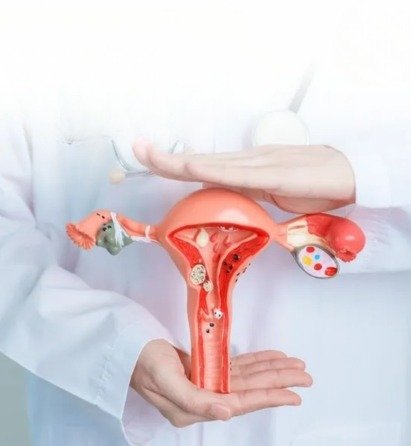
You should seek Ovarian Cysts Treatment if you experience persistent pelvic pain, bloating, irregular periods, pain during intercourse, or if an ovarian cyst continues to grow. Early diagnosis helps prevent complications and ensures timely care.
Yes. Many functional ovarian cysts disappear naturally within a few menstrual cycles. However, larger, persistent, or symptomatic cysts may require medical treatment or surgery after evaluation by a gynecologist.
No. Surgery is recommended only when the cyst is large, causes severe symptoms, does not resolve with observation, or appears suspicious. Many women can be successfully managed with monitoring or medication alone.
The cost of Ovarian Cysts Treatment varies depending on the type of cyst, diagnostic tests, medications, and whether surgery is needed. Dr. Swati Mhaske provides a personalized treatment plan and a transparent cost estimate after evaluating your condition.
Yes. EMI facilities may be available for eligible patients undergoing advanced Ovarian Cysts Treatment, including laparoscopic surgery. You can contact Dr. Swati Mhaske's clinic to learn about available financing and payment options.
Sunday: Holiday